


🎧 Listen to article read by Nicoletta:
🚫 When disability becomes an obstacle “invisible” to access to work
In Italy, if you can't drive, many of the ports of the work remain closed. Even if you studied, you are enabled, you're ready to help others.
This is true for many professions, but in the help professions — those that require direct contact with people, such as social workers, educators, psychologists — the discrimination it is often masked by “logistical requirements”.
For a woman with disabilities, the obstacle becomes double: to What barrier would you liketo overcome through sport?Partecipate and tell your story in the partecipate section of https:rightforinclusion.it or write to mail: info@rightforinclusion.it mobility, add the undervaluing of women's skills and prejudice on what is “most suitable” to her.
🎓 The paradox of the “lack of experience”
How you can do it experience if no one offers the ability to work?
Many women with disabilities, while trained and motivatedyou are blocked by a system that:
- offers internships accessible;
- not expected custom routes;
- do not imagine alternative for those who can't drive.
The result is a vicious circle:
- If you do not drive, does not work.
- If not works, not experience.
- Without experience, no one assumes.
It is not the disability itself to exclude, but the the lack of will to build a system that is inclusive.
🗣️ Witness
“I graduated in 2018 and enabled in 2021 as a social worker in Sicily. I sent dozens of resumes, participated in competitions, tried every road. But the answer is always the same: silence. It is as if the message was: ‘if you can't drive, can't work’.
I was told that the right job for me would be behind a desk. But it's not right that someone else decides what I can do. And then those opportunities, in fact, do not exist.”
🚗 The solutions are there — but they are exceptions
In some Municipalities you experienced the figure of thedriver support, agreements with the social transport, fixed locations or districts.
But they are isolated cases.
The problem is not the lack of resources, but the lack of political will and institutional.
⚖️ The protections on paper
The Law 68/1999 and the The UN convention on the rights of persons with disabilities guarantee equal opportunities and prohibit any form of discrimination.
Yet, in reality, thebe automunita it remains a requirement implicit in that it cuts out many of the women who are competent and motivated.
🌍 North and the South: a systemic problem
To the South lies the lack of services and public transport.
To North there is more offerbut even more rigidity of bureaucracy and little attention to individual cases.
In each region, excluding repeats.
🤝 The silence of Orders and the trade unions
Who should watch over and protect the professional is often inert. Professional Orders may:
- monitor calls, and contests;
- report discriminatory requirements;
- propose solutions alternative mobility.
📢 What can we do?
Demand concrete solutions: drivers, car-sharing accessible, fixed locations.
Report publicly discrimination.
Network among women with disabilities to bring collective.
Enforce the laws that already exist.
✊ Is not a matter of “not being able to do”, but “did not want to allow”
The women with disabilities can lavorare, to travel, to be present on the territory, creating relations of trust.
Do not miss the jurisdiction. Miss will include.
💬 The real barrier is not the way to go. Is the one who decides who can take it.
Write me, via mail:info@rightforinclusion.it o nella sezione partecipa su rightforinclusion.en
🟡 Have you experienced something similar?. Tell your story — even anonymously — to give a voice to those unheard.
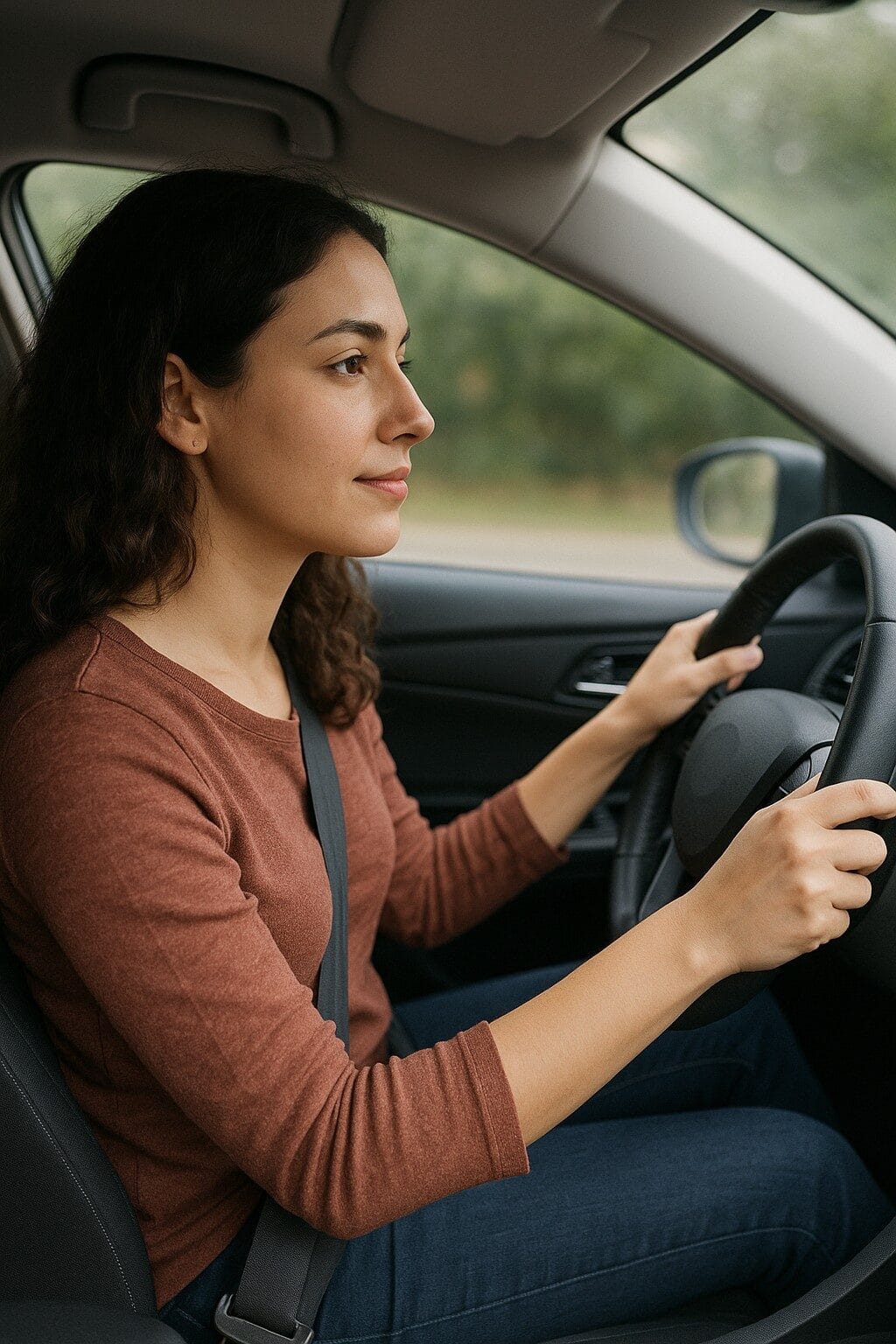
If you do not drive....

does not work