


🎧 Listen to article read by Nicoletta:
Because assistive technologies make the difference
The assistive technologies are tools and systems designed to help the persons with disabilities to live more stand-alone and inclusive. Foster participation in social, educational, and workingby improving the quality of life and reducing barriers.
Assistive technology: what they are and how they work
The assistive technologies include devices hardware and software make accessible:
- Standard technologies
- The areas of life and work
- Tools for communication and learning
Can be:
- Purchased
- Modified to specific needs
- Custom customized
The objective is to facilitate the’man-machine interactionto simplify the control environment and to enhance the ability of the individual.
Where they are used: areas and main applications
Mobility: move freely with innovative devices
- Power wheelchairs,
- scooter,
- exoskeletons
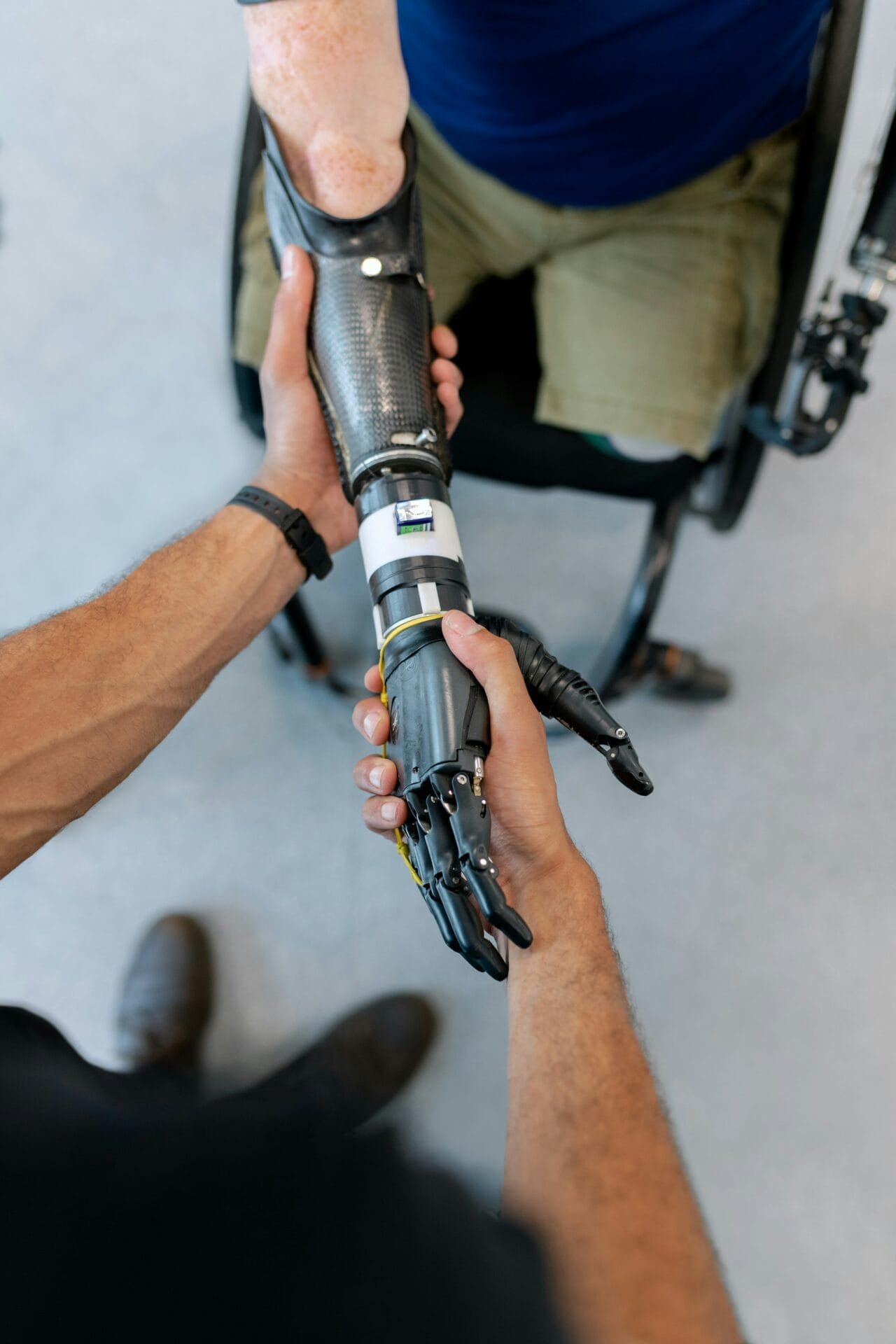
- prosthetic robotic
allow more autonomy and freedom of movement.
Communication: tools to make them understand and participate
- Software augmentative and alternative communication (CAA),
- speech synthesizers
- app for non-verbal communication
support people with communication difficulties.
Accessibility information: the web and the devices without barriers
- Screen reader
- enlargement systems,
- keyboards and mouse adapted and voice commands
make computer and smartphone accessible at all.
The home environment and work to live in autonomy
Home automation systems, and solutions of environmental control and improve safety, comfort, and independence in the home and at work.
Sensory support: see and listen to it without limits
Display and braille printers, OCR, amplifiers, sound and subtitling in real time help people with sensory disabilities.
Education and learning: tools to study better
Digital platforms accessible, software inclusive teaching and app organisational favor study and learning.
Numbers and statistics about the assistive technologies
📊 Some significant data:
- Over 1 billion people in the world are using, or are in need of assistive technologies (WHO)
- By 2050, there will be more than 2 billion
- In Europe, about 10% of the population already use these tools
- In Italy, more than 3 million people with disabilities can benefit from it (ISTAT)
Regulations and rights: how to access the tools and facilities
The main regulations in support of assistive technologies include:
- The UN convention on the rights of persons with disabilities (2006)
- Law 104/1992 (Italy)
- European Accessibility Act (2019)
Tax concessions in Italy: deductions TAX, VAT at 4%, the regional contributions.
Know your rights is essential to ensure that access is equitable and aware to the assistive devices.
Italian innovation: the story of Paolo Badano, and Genny Mobility
In 1997, Paolo Badano suffered an accident which confined him to a wheelchair. The traditional solutions did not allow him the freedom you want.
In 2009 he founded Genny Mobility and created Genny, a wheelchair electric self-balancing based on technology the Segway, that has enabled thousands of people with disabilities to move with greater autonomy even on difficult terrain.
His experience demonstrates how the assistive technologies may arise from a need staff and become social innovation.
Official sources:
- The official website Genny Mobility
- Press release Genny Zero
- Wikipedia – Genny Active Power Wheelchair
- Microingranaggi – Genny, chair, and self-balancing
- Association Genny Angels Onlus
Practical benefits of assistive technology
- Improve the quality of the life
- Increase l’autonomy personal
- Reduce the dependency from the other
- Promote social inclusion, education and employment
- Knock down barriers, technological, and cultural
Useful resources
- INPS – tax breaks and grants for assistive
- The ministry of Labour – Inclusion and disability
- ISS – assistive Technology and disability
- The WHO – Assistive Technology
- European Commission – European Accessibility Act
- Portal SIVA – Aids and assistive technologies in Italy
Call to action:
The assistive technologies open the leads to the inclusion. Help live better work more independence and feel the active part of the society.
Want to share your experience?
Share it on rightforinclusion.en or write to us at info@rightforinclusion.it
Together we can build a society that is more accessible, inclusive and just.