

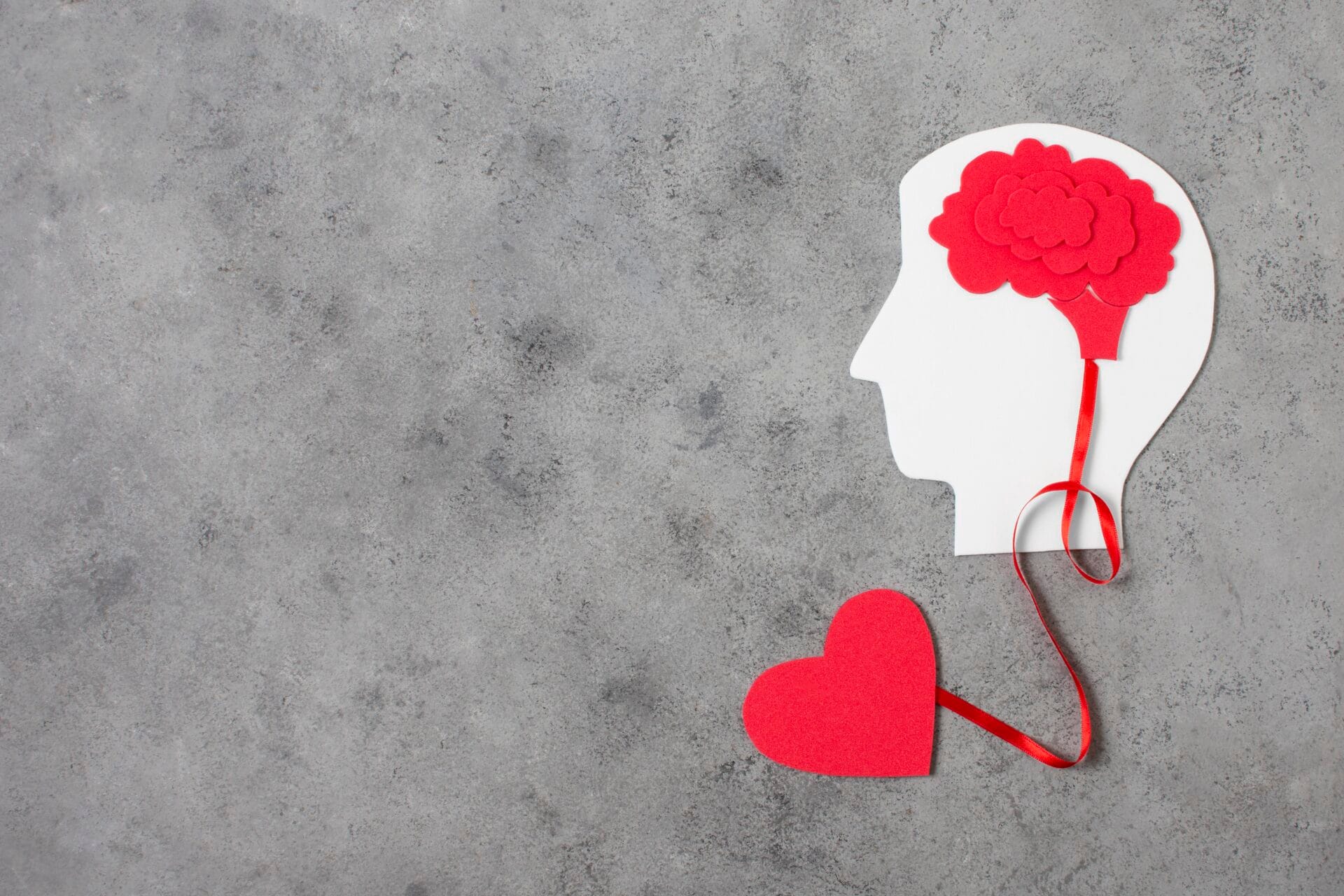

World day of Mental Health: a day to give a voice to what you can't see
Every year, on 10 October, the world stops to celebrate the The World day of Mental Health.
It is not only a recurrence symbolic: it is a time for listen to, understand, and act.
Serves to remind us that the mental health it is an integral part of the general health and that no one should be left alone pain or in your fragility.
This day is important because it focuses attention on a theme yet all too often invisible: one of the psychological well-being, rights of people who face a mental distress and of the need to build a the company's more empathetic, inclusive, and accessibiland care services.
Celebrate the 10th October means break the silenceor, fight the stigma and promote a culture of respect and listening.
As a society we have come a long way — from the asylums to community psychiatry — but the battle for a true mental health accessible and respectful is far from over.
“Freedom is therapeutic.”
— Franco Basaglia
Key data on mental health in Italy
- 1 in 5 people live a psychological distress in the course of life.
- 3 million italians are suffering from depression.
- The Mental Health centers follow every year more than 800,000 patients, with a strong female prevalence and an increase among young people.
- Only 40% of those with a disorder receives a appropriate treatment.
- The social stigma remains one of the main obstacles toaccess to care.
(Sources: national Institute of Health, the WHO, the Ministry of Health)
Who was considered “crazy”?
In the past, those who showed behavior different from the norm would be labelled as “crazy”. This definition was more social that clinic:
- Those who do not comply with any of the the rules of the company.
- People with mental disorders are not diagnosed or serious, such as schizophrenia, major depression or bipolar disorder.
- Often the stigmatizzazionand exceeded the understandingthe person was seen as dangerous or incomprehensible.
Asylums, and OPG: places of segregation
Until the ’70s, the leading solution for those who suffered from mental disorders, was forced the shelter:
- Asylums: closed structures, often overcrowded, where the patient was isolated from the outside world.
- OPG (the Judicial Psychiatric Hospitals): for people with mental disorders who had committed crimes.
- The treatments were limited and sometimes cruel, as theelectroshock practiced without adequate protocols.
The electroshock therapy: therapy is controversial
The electroconvulsive therapy (ECT) he was born in the ’30s as an attempt to “cure” schizophrenia and severe depression.
Caused seizures controlled with the idea of improving the symptoms.
Often it was traumatic and administered without consent.
Nowadays it is used only in specific cases, with secure protocols and under close medical supervision.
The revolution Basaglia: the law 180/1978
The real turning point came with the Franco Basaglia and the law 180:
- Goal: close the mental hospitals and to ensure the rights of people with mental disorders.
- Key principles: care in the territory, civil rights and social, integration in the community.
- Impact: the birth of the Departments of Mental Health (DSM) and the the end of segregation forced.
It was a revolution not only sanitaria but also cultural: returned dignity and freedom thousands of people, until then invisible.
The Departments of Mental Health today
The DSM are the heart of psychiatry modern Italy:
- Mental Health centers (CMHC): the first point of reference for diagnosis and treatment.
- SPDC: hospital wards short for acute crisis.
- Residences therapeutic: accommodations for those who need ongoing support.
The approach is multidisciplinary: psychiatrists, psychologists, nurses and social workers work together to offer a complete support.
Current situation: the rights, inclusion and challenges
Today mental health it is recognized as fundamental right. Patients are no longer segregated but supported in the community. However:
- The resources are not always sufficient in all regions.
- Persist waiting lists and the lack of access to services.
- The social stigma it remains a significant obstacle.
At the same time, innovative projects as telepsychiatry, social housing and sheltered work are improving theinclusion and quality of life.
The road from the segregation of asylums, to the modern community psychiatry shows that the scare of mind is not punishment, but a care, rights and inclusion.
The law Basaglia he opened the door to a the model is more human and respectfuland the World Day of Mental Health reminds us that the path to a society that is truly inclusive is still in progress.
🔗 Useful links
- The World Health organization's World Mental Health Day
- Istituto Superiore di Sanità – Data and documents on mental health
- Phone Friend Italy – Listening and support
- Toll-free number for psychological 1520 – the Ministry of Health
Call to Action
Act today for the mental health!
Informed and you can also share content with correct order to fight the stigma.
Support associations local promote inclusion and psychological support.
Listen, speak, and create a safe space for those who are facing emotional difficulties.
Every small gesture countsmaking a difference for mental health is everyone's responsibility.