


🎧 Listen to article read by Nicoletta:
When it feels “different”
Live diversity it is not easy, especially from a young age. Ever wonder: “Why am I not like others?”.
The fear of the “different” often leads toexclusion. At the beginning of the fellow is awaypowered by insecurity or prejudices absorbed by the adults. Only by growing up we realize that that distance was an error: diversity is a value that enrichesnot a threat to fight against.
1. What is bullying
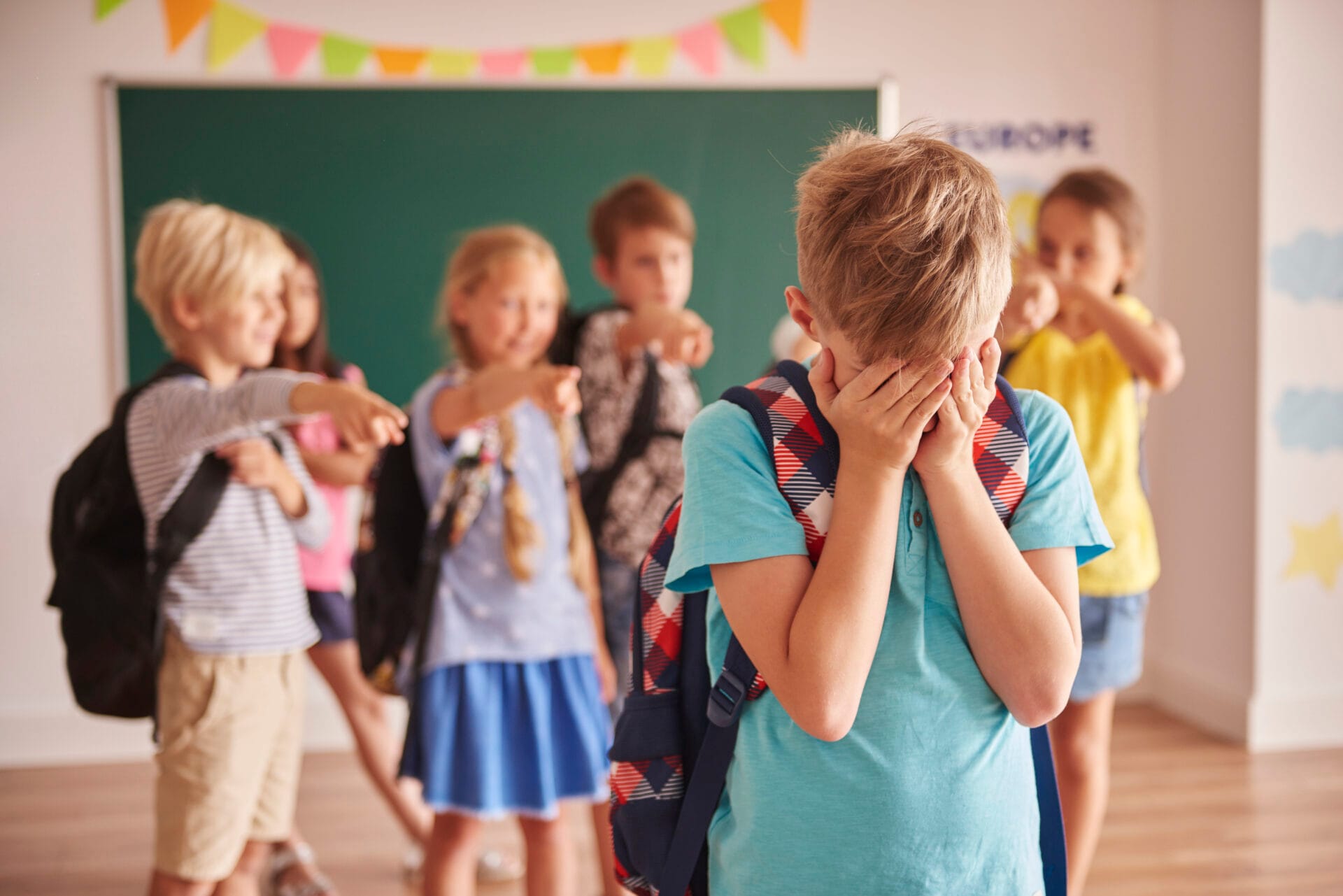
The bullying is a aggressive behavior, repeated, and intentional, that manifests itself in various forms:
- Physical: shoves, kicks, punches, damage.
- Verbal: name-calling, teasing, threats.
- Relational/social: exclusion from the group, isolation, gossip.
- Cyberbullying: insults and attacks on the social, chat, and online platforms.
Is based on a imbalance of power: one who does gesture perceives the other as more weak or “different”.
2. Bullying and diversity
The bullying often arises from the fear of diversity:
- disability,
- source racial, ethnic, or religious,
- sexual orientation or identity of genre,
- language, cultural habits, conditions, family.
The stereotypes feed prejudices, and the different becomes a the scapegoat. In fact, what sets us apart it is also what enriches the community.
3. The role of adults, schools and institutions
- Parents
They have the task of educate to respect, listen, and support children victims of bullying andworking if their children are the authors of episodes aggressive. The educational responsibility and civil is paramount.
- School
Is the the first line of defense against bullying. With prevention projects, team anti-bullying, doors, listening and awareness-raising activitiesthe school can make the difference. The covenant school–family is crucial to deal with cases in a timely manner.
- Institutions
Must promote a policy of contrast, fund raising campaigns, to ensure psychological support services and strengthen the networks for the protection of children.
4. Bullying and the extreme consequences
Bullying it is not never one “joke”. It can generate:
- anxiety, depression, low self-esteem, social isolation,
- difficulty in school and abandonment,
- in more severe cases, suicidal thoughts.
The tragedy Carolina Picchio, a victim of cyber-bullying at only 15 years old, reminds us that say just to bullying it also means save lives.
5. ISTAT data (2023)
- 68,5% of young people aged 11-19 years it has undergone episodes offensive or exclusion in the last year.
- 21% underwent bullying multiple times a month.
- 8% is the victim of bullying weekly.
- The foreign guys are the most affected Italian: 26,8% against of 20.4%.
📊 Source: ISTAT – Bullying and cyberbullying in the relationships between the boys 2023
Source: ISTAT – Bullying and cyberbullying in the relationships between the boys 2023
6. True stories
Useful links
- Ministry of Education – Guidelines on bullying and cyberbullying
- Save the Children – Bullied at school
- Call to action:
We say enough to bullying. Not we turn the gaze in front of the fear of what is different: each of us can make a difference.
To know more or to share your experience, visit rightforinclusion.en or write to info@rightforinclusion.it.
#StopBullismo #Inclusion #Respect #AccogliereLaDiversità